Not in your place at your new employer? Here's how you do.
As many as 50% of newcomers to a company, fail to actually feel at home there. For them, a new job ends in disappointment as early as the 1st year of work.
Shocking numbers, but fortunately, as an employee, you can do quite a bit to avoid becoming one of those 50%. After all, finding your place in a new work environment is not a matter of luck or chance. Settling in takes time and requires an active attitude and adaptability.


Start investing
Worried that you won’t ground yourself in your new workplace?
Then realize that you will have to get used to many things, such as the culture of the organization, the assignment you have been given and the way the organization works. New colleagues also need time to get to know you better. And then there is always daily reality, which regularly thwarts beautiful, pre-made plans and stated ambitions.
So, if you don’t feel quite at home in your new work environment, don’t keep muddling along, but start investing in improvement.
Don't downplay your feelings
Don’t talk to yourself that it’s lame that you can’t settle down. Even though a feeling like this is not easy to substantiate, you know perfectly well inside that you are right. Now that you have established for yourself that your expectations are not coming true for the time being, the first step toward improvement has been taken.
Be aware that the click between you, your colleagues and the company cannot be taken for granted. As with ordinary relationships and friendships, you need to work on the bond with your new employer. Fortunately, there are plenty of ways you can invest in that relationship and turn your unhappy start into a successful and enjoyable working relationship.

– Sharon Keuvelaar

Reflect before you begin
That investment in a good working relationship and in your sense of home actually preferably starts before you actually start your new job. Namely in the application process. When you then understand what kind of work culture you will end up in, you can examine whether it suits you well.
The clearer you know who you are, what your ambition is and what kind of work environment you feel good in, the better the match. We wrote an article on how to get to know the work culture already during your interview process.
Bring your situation into focus
Anyway, you are now in a workplace where you are not quite grounded. How do you improve your situation? The first important step you need to take is to break free from negative emotions and disappointment. Because: emotions cloud a factual view.
Then try to figure out what is going on:
- Is the pain in contacts with your colleagues or supervisor(s), that is, in the human sphere?
- Or is it more about how there is or is not collaboration or how results- and task-oriented the organization is?
- Is the mismatch in the task you have to fulfill? Does the fulfillment of it turn out differently than agreed upon and is that not in line with what you would like to achieve as a person?
- Or does the cause lie even deeper and there is no match between your own ambition and that of the organization?
When you know what the breeding ground of your dissatisfaction is, you can improve on it, and you also have an idea of who might be able to help you in the process.


Find the connection with yourself
The most important task after mapping your current situation is directed to yourself. What things can yoúve done to improve the situation? What do you have influence over? What do you need to feel better? What help can you ask for?
In doing so, look not only at the human aspects and relationships at work, but also at the content. Are you doing your job well, do you know what is expected of you and are you on track in this respect, appropriate to the task at hand? And if so, do your expectations match the expectations that your supervisor or the company has of you and the ambition that is being pursued? You should always ask yourself these kinds of questions, even when you are well in place. That way you stay in charge.
Find connection with others
Undoubtedly, others in the organization also have an impact on how you are doing. Starting the conversation about your feelings is perhaps the most difficult thing to do, but also the most important if you want to make progress. It is not necessary to put all your suffering on the table directly with your manager. On the contrary. Again, take that angle of your need: what do you need to start feeling at home? By tackling back together the mutual expectations when you started the job, you’ll have a constructive conversation. If you would like to see specific things done differently, express that and push for solution-oriented suggestions.
Be prepared, however, that in a good conversation you can not only give feedback, but you must also be able to receive it. The goal is to find a solution together, so don’t be tempted to go on the attack or defense. That can put everything on edge unnecessarily. Before you know it, you’ll be in emotional mode and the conversation will go very differently than intended.
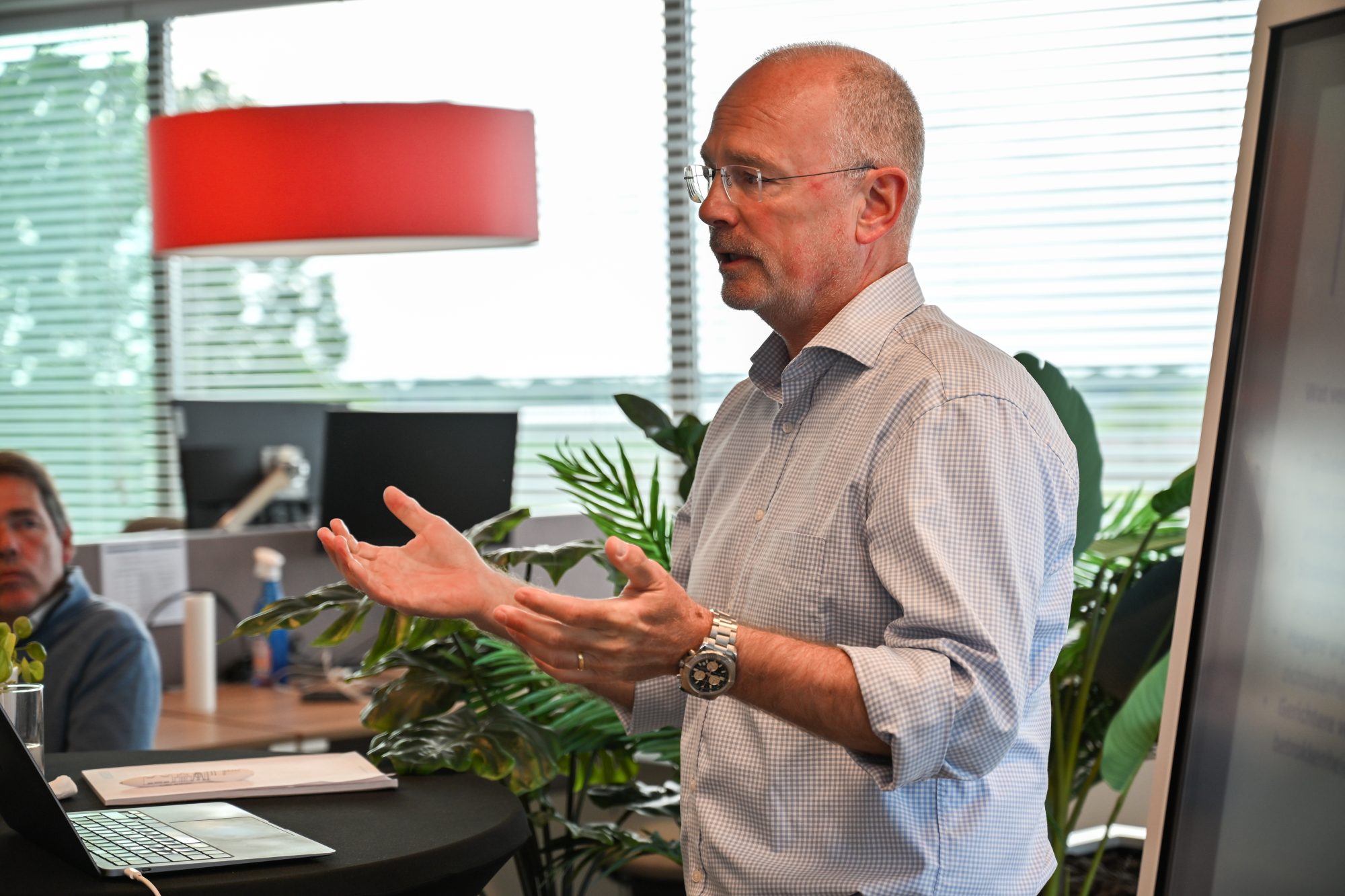

Tips for keeping the dialogue constructive
- Think carefully about who you enter the conversation with. Do you hold your view against someone you trust first? Do you make an appointment with HR? Or do you immediately approach your immediate supervisor?
- When you enter into the conversation with your supervisor, do so tactfully. Even if you have actually already decided that you are going to leave the organization. Circumstances can always change and then you don’t want to have already expressed that you are seriously considering your departure.
- Keep focus on people-centered communication to avoid a yes-no conversation about something work-related or tug-of-war over who is right. As long as you stick to your feelings and indicate that you have positive development in mind, keep the conversation open. Someone’s feelings cannot be right or wrong.
- A good conversation consists of sending and receiving. So does feedback. When you yourself ask for feedback on your performance, you show that you are vulnerable and open to improvement.
- When things go differently than initially discussed, ask what caused this and what the perspective is. What is the impact of the changes on the assignment you have been given or on the ambitions of the organization? Show that you want to think along, make suggestions for alternatives or possible solutions. Suppose you cannot grow now: what could possibly be done?
Manage your own expectations
After you get a full picture of the situation, it’s important to take stock. How did you experience this process? Do you feel heard? How do you feel about yourself? Do you still see potential and opportunities for improvement? Is there perspective in terms of the assignment you were given? In doing so, it is also essential to determine to what extent you are willing to change and adjust things yourself, consider whether you have the patience to defer judgment and whether the perspective is sufficient to stay. And: remember that the grass is not always greener next door. There is no such thing as the perfect job.


You have it in your own hands
Whether you want to go or stay, it should be clear that you hold the key to the solution yourself. Building your career is hard work. And it involves thinking thoroughly about your choices and your plans. Think of it as an investment in yourself, in your work and in the people around you.
Look for connection, keep testing your mission against yourself and your work environment and choose the positive angle assuming that everyone wants the collaboration to succeed. Then there is a foundation to find the way up together and work toward the ambition that connects you.
Contact Sharon
Fields marked with an * are required